Hills and Sea in Orange County
Climb into Orange County's hidden canyons on gravel and fire roads, trace green corridors through the suburbs, and coast back to the Pacific on breezy seaside bikeways.
- Distance
- 100.3 miles
- Surface
- 60% paved
- 3 days–1 week
- Route Type
- Loop
Get the Route in Ride with GPS
Access the details and download free digital maps
 Open in Ride with GPS
Ride the Hills and Sea in Orange County
Starting near the coast, this loop climbs inland on gravel paths and fire roads through suburban greenbelts and open hills, then returns to the Pacific on coastal bikeways.
What to Expect
A skill-building bikepacking loop with dirt under the tires and city conveniences rarely far away. It is a useful bridge between paved touring and more remote gravel travel, with enough climbing to feel earned.
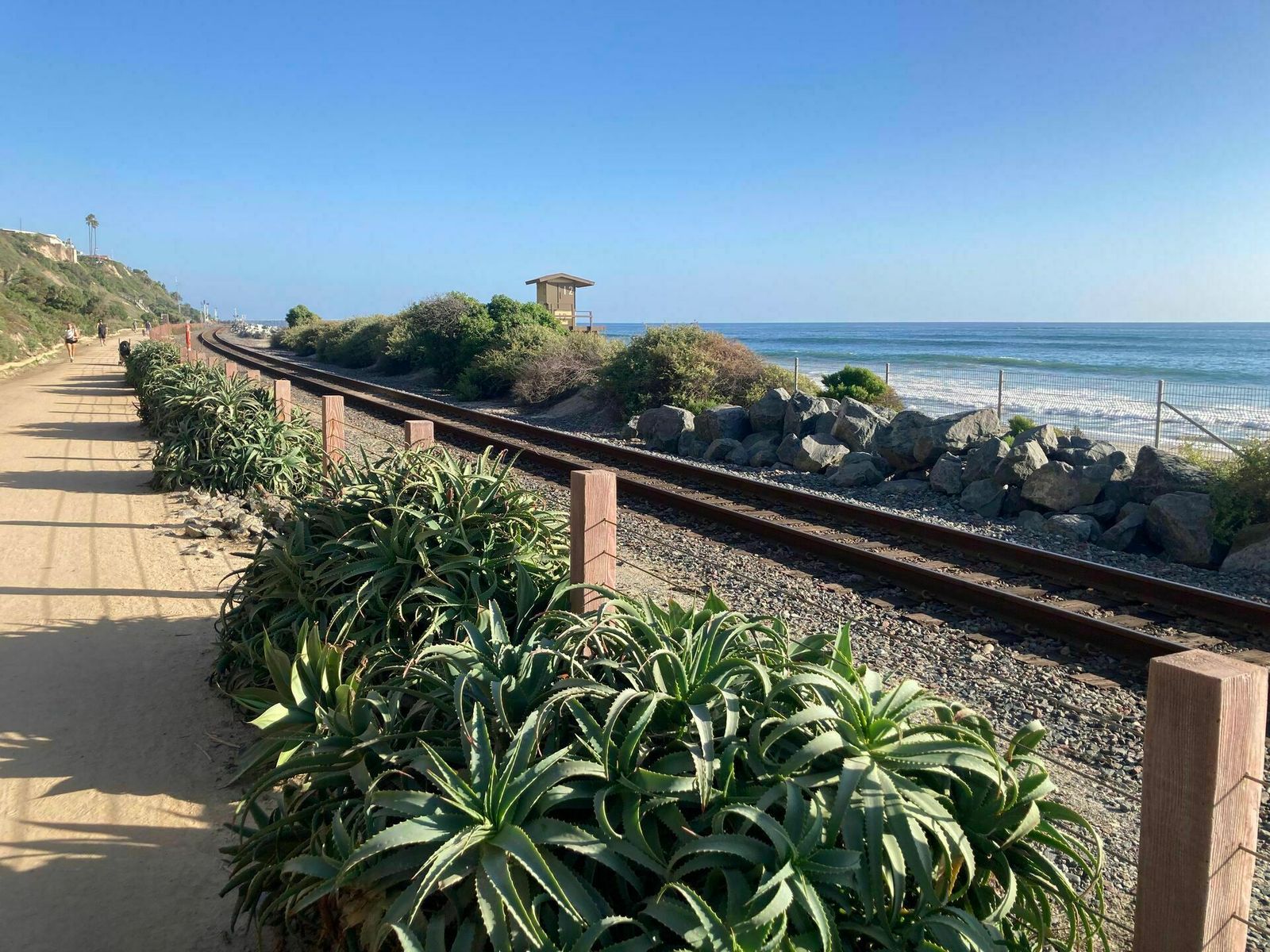
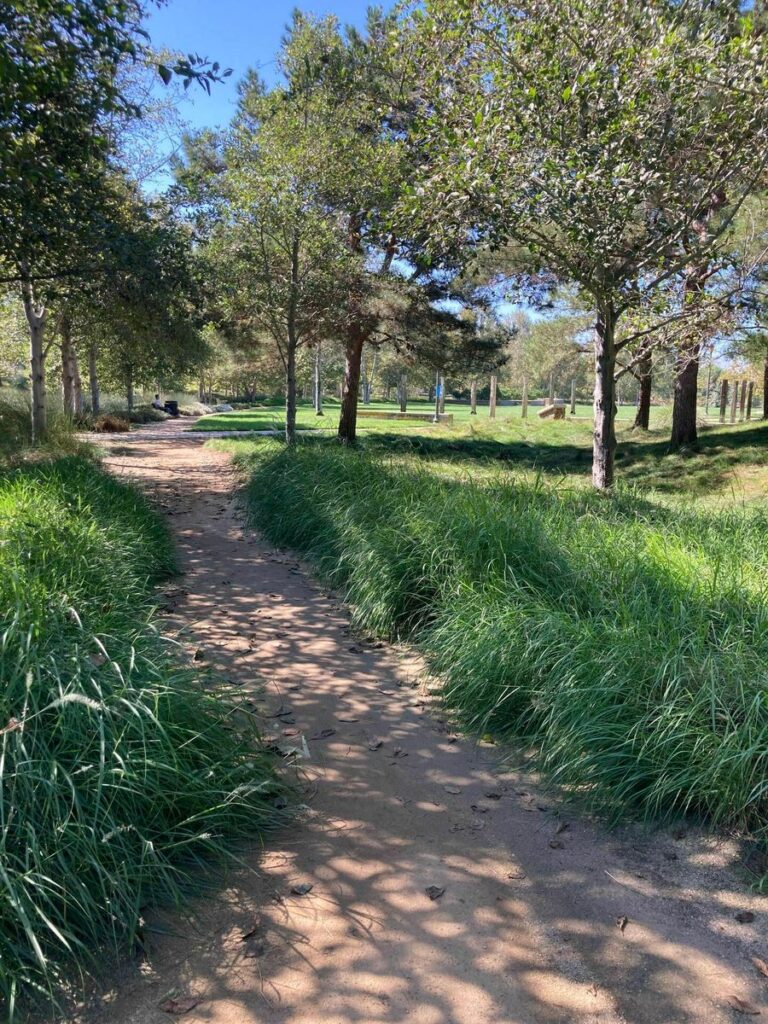
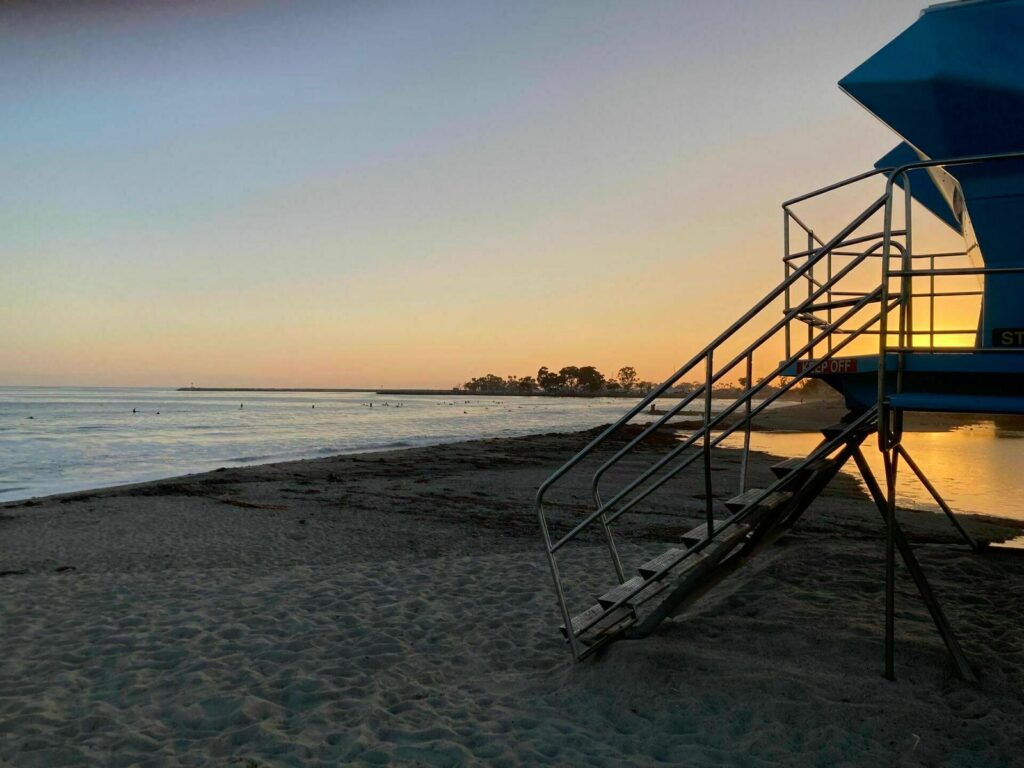
Orange County is often seen through freeways and subdivisions, but this route follows the quieter network between them. Engineered gravel, fire roads, regional trails, and the coast reveal how much open space survives within the urban landscape, from inland canyons to ocean views.
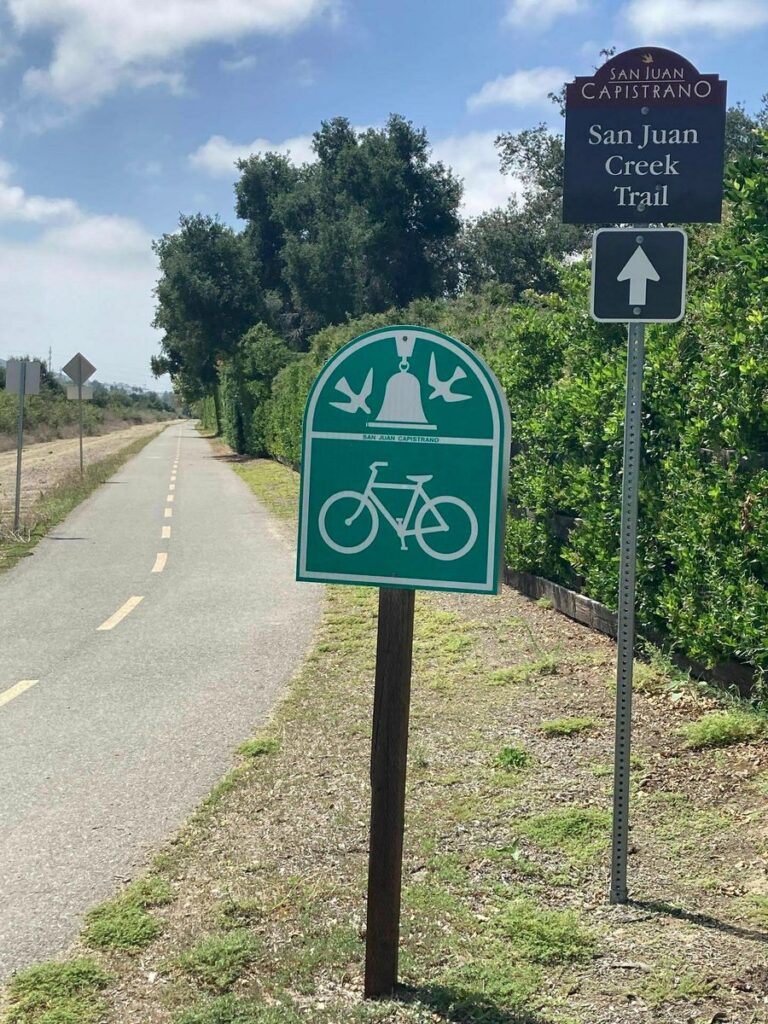
The loop covers 100.3 miles with 5,984 feet of climbing. Surfaces include engineered gravel, maintained fire roads, paved multiuse paths, bikeways, and on-road bike lanes. The dirt is generally nontechnical, though grades and loose patches can still be demanding on a loaded bike. Expect chaparral-covered hills and canyons inland, green suburban corridors, and coastal bluffs and beaches.
The route often creates the feeling of leaving the city behind, but restaurants, restrooms, lodging, bike service, and other amenities remain close to many trail segments. Carry enough water between developed areas, especially on exposed inland climbs.
The route can be ridden much of the year. May and June often bring coastal clouds, while inland temperatures can reach the low 90s in August and September. Winter rain can make unpaved trails muddy or temporarily closed.

Hills and Sea in Orange County Photos
Plan Your Ride
Divide the climbing and mixed surfaces across three days, reserve coastal camping early, and check park and trail conditions after rain before committing to the loop.
Trip Planning & Logistics
Download the official Ride with GPS route for offline use, and confirm each overnight before departure. Coastal campsites are in high demand on weekends and throughout summer, and California State Parks reservations can open six months in advance. Review Orange County park closures and trail rules, especially after wet weather.
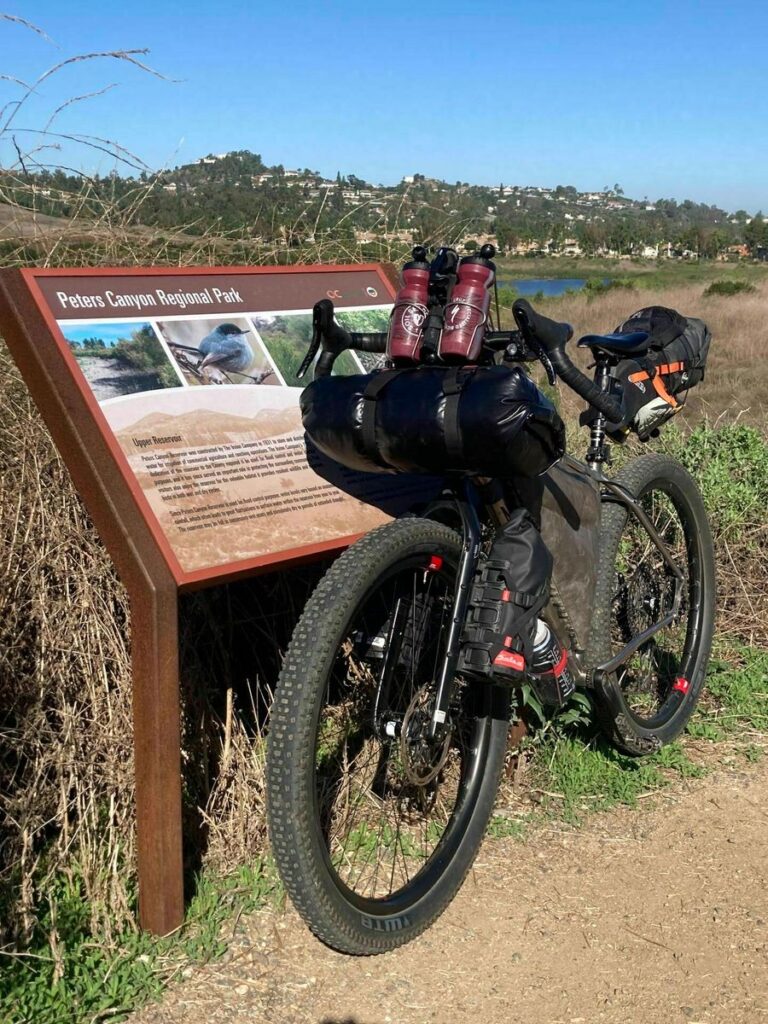
A gravel bike or rigid mountain bike with low gearing is a strong choice. Use durable tires around 40 millimeters or wider, and carry lights, a repair kit, sun protection, and enough water capacity for inland climbs. Suspension is not required for riders comfortable on maintained dirt.
The route is designed around developed campgrounds with showers, with hotels and other indoor lodging available near the urban portions. Reserve camping well ahead and verify current bicycle access and check-in rules.
Food, water, and restrooms appear regularly near developed corridors, but not every dirt segment has services. Refill before entering the hills and carry enough food to cover delays or trail detours.
Stay on designated trails and obey posted closures. Rain can damage or close unpaved routes, and inland heat can rise quickly. Use caution where the route transitions to on-road bike lanes and watch for fast traffic at crossings.
Routes change. Bridges wash out, businesses close, and construction pops up overnight. We strive to keep routes updated as those things happen. When we learn about a change, we reroute around sections that have become dangerous, update service information as businesses open, close, or move, and reroute around temporary road and bridge closures or construction. Digital routes are updated as soon as we’ve reviewed a reported issue.
You’re often the first to spot these changes out on the road. Help us keep this route accurate for the next rider by reporting anything you notice with our Route Feedback Form.
This Route Is Part of a Community Effort
Short Routes are cyclist-submitted and Adventure Cycling approved, with the mission of inspiring more adventures from your own backyard. All possible thanks to the dedicated support of our members and donors.
-

Explore the Short Routes Network
Accessible, beginner-friendly, free routes, expanding opportunities for bicycle travel to more riders.
Learn about the Network -
Support Route Development
Our members are the reason we can offer three route networks tailored for specific experiences and riders.
Become a Member -

Stay Connected
Find your stoke with our newsletter all about routes, gear, stories, and cycling news in your inbox twice a month.
Sign up for Bike Bits
Frequently Asked Questions
A collection of free, cyclist-submitted routes built for shorter trips. Each route is designed for a trip of one to five nights, ranging from a quick overnight ride to a longer multi-day adventure. It’s the most accessible of our three route networks: no purchase required, no advanced experience assumed, just a well-vetted route you can ride over a weekend or a week off.
We launched Short Routes in August 2022 with an initial set of 12 routes, created specifically because our epic, long-distance routes don’t work for everyone. Someone with a week of vacation, or someone new to bike touring, needs a different starting point. We developed that first collection in partnership with BIPOC, LGBTQ+, women, and intersex cyclists, with routes centered near major cities like Los Angeles, Seattle, Minneapolis, Austin, Atlanta, Washington, D.C., Philadelphia, and Boston, so people could find a route close to home rather than needing to travel somewhere remote first. Since then, the collection has grown through rider submissions and partnerships with other organizations like East Coast Greenway Alliance.
It’s the only one of our three networks built primarily by the community, for the community. Typically, the route builder is local to the area, providing special knowledge about transportation logistics, services, points of interest, and more. Anyone can submit a route, but every submission goes through a staff review: checked for traffic speeds, shoulder width, surface conditions, and whether services like food, water, and camping are realistically spaced for a loaded touring bike.
Riders who don’t have weeks to spend in the saddle, and riders who’ve never done a multi-day bike trip before. The collection was built with input from locals and includes routes near major cities, so that cyclists who live far from the endless miles of gravel roads or remote bikepacking routes have great routes mapped near them.
No. Many of our Short Routes are built to be beginner-friendly, though all are worth riding no matter your experience level. Because each one runs just one to five nights, it’s a much lower commitment than a cross-country tour, which makes it a good place to start if you’ve never done a multi-day ride.
Anyone can submit. You don’t need any official affiliation with Adventure Cycling. Head to our route submission form, and come prepared with three things: at least 10 photos from the route, a written description covering the highlights, navigation notes, services along the way, seasonal considerations, and a short bio about you as the route’s creator, and a Ride with GPS route that includes automatic cuesheetsand custom points of interest for things like lodging, food, bike shops, and any hazards.
It needs to take a beginner one to five nights, cover 50 to 200 total miles, and be located anywhere in the U.S. or Canada. Beyond that, we’re mainly checking for safety. A route can’t put a fully loaded touring cyclist through excessive hazards, so we look at things like traffic speed, shoulder width, road surface, and whether food, water, and camping are realistically spaced along the way.
It helps if you rode it within the past year or so. Those submissions move through review faster, since conditions on the ground are more likely to still match what you’re describing. Older routes can still be submitted, but they may take longer to review since we may need to double-check that services and conditions haven’t changed.
Review typically takes several weeks. We check every submission for safety and accuracy and reserve the right to edit before publishing. If your route is approved, we’ll follow up with you by email.